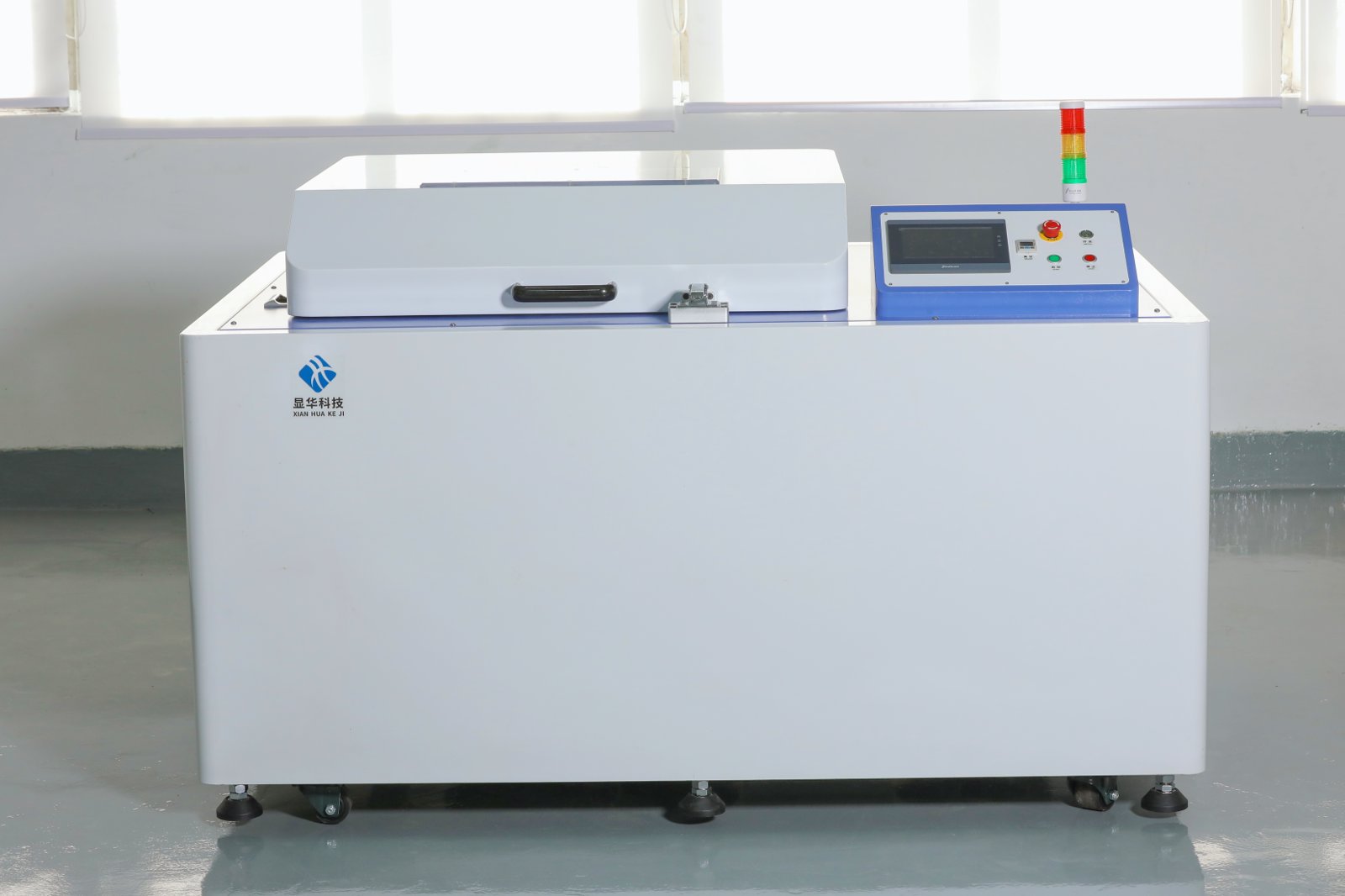
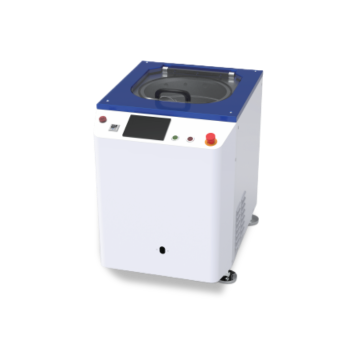
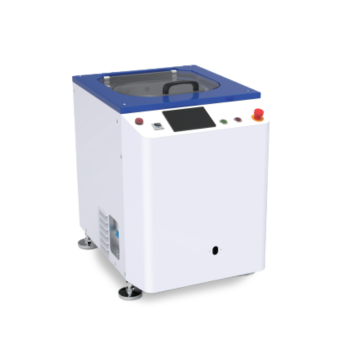
With the explosive growth of industries such as 5G communication, new energy vehicles, and semiconductor chips, electronic components are developing towards miniaturization and high integration, and the requirements for material performance are becoming increasingly stringent. The uniformity and purity of core materials such as electronic paste, conductive adhesive, and packaging resin directly determine product yield and reliability. Recently, a high-precision equipment with "vacuum environment+intelligent stirring" as its core - vacuum mixer, is becoming a key "enabler" in the electronic material preparation process, and its technological breakthrough brings new growth space to the industry.
From 'bubble hazard' to 'zero defect': Vacuum technology solves material preparation pain points
Traditional mixing equipment is prone to generating bubbles when mixing electronic materials due to the mixing of air. These tiny bubbles can cause stress concentration inside the material, decrease interfacial bonding, and even lead to problems such as circuit short circuits and chip failures. Especially in scenarios such as semiconductor packaging, flexible screen bonding, and electrode coating for new energy batteries, bubbles in materials may become "fatal defects".
We have encountered the problem of LED chip solder joints being virtual due to residual bubbles in silver paste, resulting in a single batch loss of over one million yuan. ”The process manager of a certain LED packaging company stated. The vacuum mixer continuously discharges dissolved air and introduced bubbles from the material during the stirring process by vacuuming (usually up to -0.1 MPa or below) the environment. At the same time, it is combined with a high-speed dispersing disk and planetary motion trajectory to achieve uniform mixing of material molecules, controlling the bubble content below one millionth, completely solving this industry problem.
Multi scenario penetration: from laboratory to production line, covering the entire electronic chain requirements
At present, vacuum mixers have deeply penetrated into multiple sub sectors of the electronics industry, becoming a universal equipment from research and development to mass production. Semiconductors and Microelectronics: In IC packaging, it is used for mixing high thermal conductivity silver paste and bottom filling paste to ensure no bubbles and high adhesive strength between the chip and the substrate; In the manufacturing of MEMS sensors, the uniform dispersion of sensitive materials (such as piezoelectric ceramic slurry) directly affects the sensitivity of the device. New Energy Electronics: In the preparation of positive and negative electrode slurries for lithium batteries (containing nanoscale active materials, binders, and conductive agents), vacuum stirring can avoid electrode bulging and reduced cycle life caused by bubbles. Tests conducted by a leading battery factory have shown that using vacuum stirring can increase electrode yield by 8% and battery cycle times by 10%. Consumer electronics: OCA optical adhesive, FPC reinforcement adhesive, etc. for mobile phones/tablets need to be vacuum stirred to eliminate bubbles, ensure no light spots or delamination after bonding, and improve screen display effect and structural strength. In the past, our R&D team needed to repeatedly adjust the formula to compensate for mixing defects. Now, with the use of a vacuum mixer, the stability of material properties has been improved by more than 30%, and the R&D cycle has been shortened by half, "said the R&D director of an electronic materials company.
Market heating up: domestic substitution accelerates, highlighting the potential of the billion dollar track
According to QYResearch data, the global vacuum mixer market is expected to reach $1.2 billion in 2023 and is projected to increase to $2.2 billion by 2030, with a compound annual growth rate of over 9%. The Chinese market, with its scale advantage in electronic manufacturing, has become one of the fastest-growing regions in the world, accounting for over 35%. It is worth noting that domestic vacuum mixers have rapidly emerged in recent years. Compared to imported equipment (with a unit price generally exceeding one million yuan), domestic models are more competitive in terms of cost-effectiveness (30% -50% lower price) and localized services (response time shortened to within 24 hours), and have achieved scale substitution in small and medium-sized enterprises. In the high-end market (such as semiconductor grade ultra-high cleanliness mixing), some domestic manufacturers have also broken through key technologies and broken foreign monopolies.
Conclusion
From solving material bubble pain points to empowering high-precision manufacturing, the popularity of vacuum mixers is not only an iteration of equipment, but also a microcosm of the electronics industry's "emergence towards precision". With the deepening of technologies such as 5G, AI, and new energy, the demand for "extreme uniformity" in electronic material preparation will continue to rise. Vacuum mixers are expected to become an indispensable "invisible cornerstone" in the electronic industry chain under the dual drive of technological iteration and market expansion.


 0755-23341180
 lyan@xianhua-tech.com
 WeChat Official Account